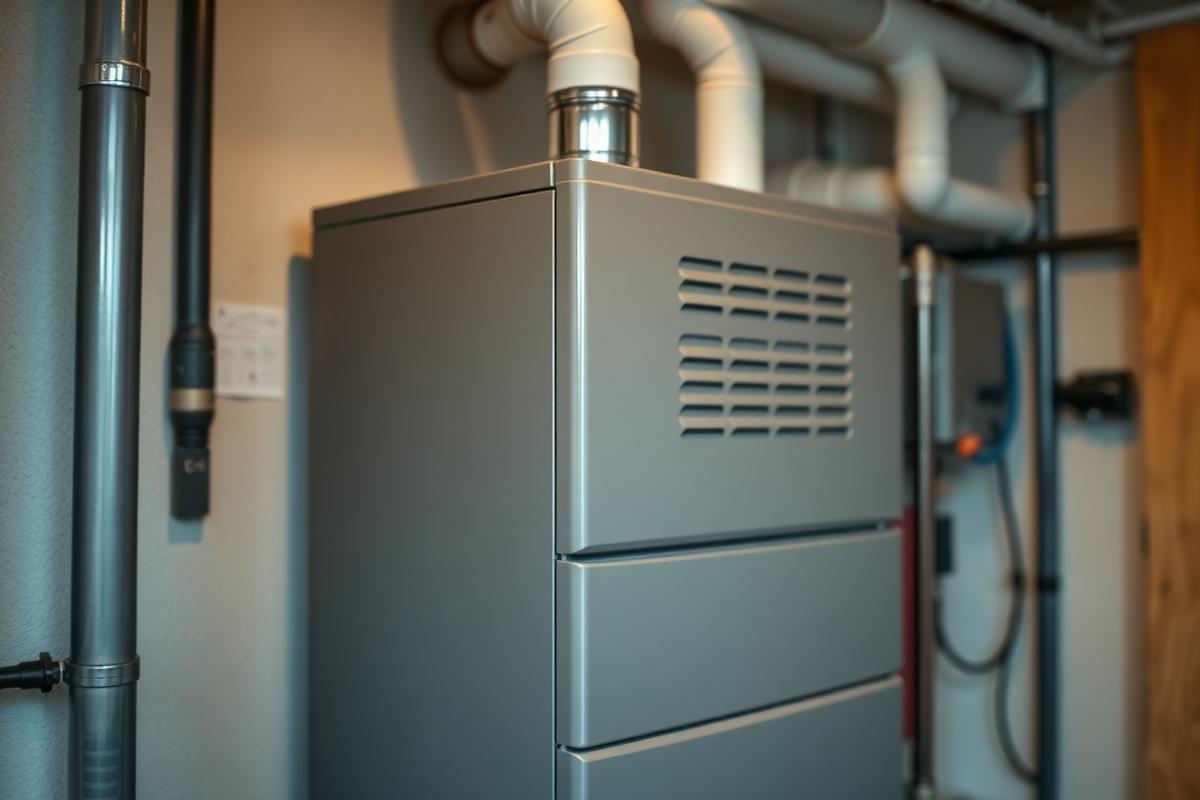
If your furnace keeps kicking on for a minute or two, shutting off, then firing back up again a few minutes later, you're dealing with what's called short cycling. It's one of the most common calls we get during a Portland winter — and it almost always points to something that needs attention soon. The good news: a lot of the causes are simple and inexpensive to fix. The bad news: if you ignore it, you're burning through fuel, wearing out components, and probably staring down a bigger repair bill in a few months.
Here's a plain-English breakdown of why furnaces short cycle, what you can check yourself, and when it's time to call a tech.
What short cycling actually means
A normal heating cycle for a residential furnace runs roughly 10 to 15 minutes — long enough to bring the house up to temperature and run the blower through its full cycle. Short cycling is when your furnace runs for less than that (sometimes under 5 minutes) and then shuts down, only to restart a few minutes later. Your house never quite gets comfortable, your power bill creeps up, and the system takes a beating.
The most common causes (in the order we usually find them)
1. A dirty air filter
This is the number one cause. A clogged filter restricts airflow across the heat exchanger, causing it to overheat. A safety switch then shuts the burner off before it damages anything. The system cools down, the switch resets, and the cycle starts all over again. If you can't remember the last time you changed your filter, that's where to start.
2. A blocked or closed return vent
Same problem, different cause. If too many supply registers are closed or a return vent is blocked by furniture, your furnace can't move enough air across the heat exchanger. Walk through the house and make sure your vents are open and unobstructed.
3. An oversized furnace
If the previous owner replaced the furnace and went too big — which happens a lot — the system heats the house faster than it should, hits the thermostat setpoint quickly, and shuts off before completing a proper cycle. There's no quick fix for this one. It's a sizing problem that should have been caught during the original install, and it usually requires replacement to fully solve.
4. A bad flame sensor
The flame sensor is a small metal rod that confirms a flame is actually present when the gas valve opens. If it's dirty or corroded, it can't read the flame, so the control board shuts the gas off as a safety measure. The system then tries again, fails again, and you get short cycling. A tech can clean or replace the sensor in a few minutes.
5. A thermostat in the wrong spot
If your thermostat is in direct sun, near a supply vent, or on a wall that gets cold quickly, it's reading the wrong temperature and telling the furnace to shut off too early. Sometimes a thermostat relocation is the right fix; sometimes recalibration is enough.
6. Faulty heat exchanger or limit switch
This is where it gets serious. A cracked heat exchanger is a safety issue — it can leak carbon monoxide into your home. A failing limit switch can mimic overheating even when airflow is fine. Both of these need a professional diagnosis. Do not keep running the furnace if you suspect either.
What you can check yourself before calling
- Change the air filter. Yes, even if it 'looks fine.' Hold it up to a light — if light barely passes through, it's done.
- Walk the house and confirm supply vents are open and return vents aren't blocked.
- Check the thermostat batteries and make sure it's set to Heat, not Auto or Cool.
- Look for anything obstructing the area around the furnace itself — boxes, laundry, storage.
When to call us
If you've changed the filter, checked your vents, and the short cycling continues — or if you smell gas, hear unusual banging, or your carbon monoxide detector goes off — stop trying to troubleshoot and call. Short cycling caused by safety switches is your furnace telling you something's wrong. Ignoring it usually means a more expensive repair down the line, and in the worst cases, a real safety risk.
Written by NW Summit Team
Licensed HVAC technicians serving Portland, OR and the Willamette Valley.